
Social Etiquette and Safety Awareness
Navigating a new culture requires more than a map. It requires an understanding of the unwritten rules that govern social interaction — and an appreciation for the hospitality that greets every traveller into Egypt.
A catalog of the essential social norms and safety considerations — presented as a numbered ledger for the conscientious traveller into Egypt.
The Importance of Modesty in Dress
Respectful Communication and Greetings
Navigating the Marketplace and Public Spaces
Tipping and the Concept of Gratitude
Photography and Privacy
Health and Personal Well-being
Gender Dynamics and Solo Travel
Emergency Contacts and Local Assistance
The Importance of Modesty in Dress
Public attire is a significant indicator of respect for local customs. In urban centers and especially near religious sites, both men and women are expected to dress conservatively. This generally means covering the shoulders and chest, and wearing trousers or skirts that fall below the knee.
While coastal areas may be more relaxed, adhering to these standards in the heart of the community prevents unwanted attention and shows an appreciation for the local values. It is always better to be slightly more covered than the alternative.
A lightweight scarf is one of the most useful items a traveller into Egypt can carry. It adapts to changing environments throughout the day — from shaded streets to places of worship — and signals that you are attuned to the social rhythm of the place.

Respectful Communication and Greetings
Social interactions often begin with a formal greeting, even between strangers. A simple "Salam" or a polite nod can go a long way in establishing a positive rapport. It is common for locals to engage in small talk before moving to the main point of a conversation; rushing this process can be seen as impolite.
Open with a Greeting
Begin with "Salam" or "As-salamu alaykum" before asking a question. A greeting acknowledges the person first, which is the foundation of every exchange here.
Allow for Small Talk
Questions about your wellbeing, your family, or your journey are genuine. Answer briefly and ask in return. Moving straight to business skips the social bridge.
Practice Patience
The pace of life may be slower than what you are accustomed to. Listening more than speaking is often the best strategy for a guest in the land.

Navigating the Marketplace and Public Spaces
The local markets are vibrant hubs of activity, but they can be overwhelming for the uninitiated. It is common for vendors to be assertive in their invitations to view their goods. A polite but firm "No, thank you" in the local tongue is usually sufficient to move on.
In public spaces, it is important to be aware of your surroundings and keep personal belongings secure. While the region is generally safe, the density of the crowds in the larger cities requires a standard level of vigilance — the same caution you would exercise in any busy district at home.

Tipping and the Concept of Gratitude
The practice of small monetary gifts for service, often referred to locally as "baksheesh," is a standard part of the social economy. This is not necessarily a "tip" in the Western sense but a small acknowledgement of assistance — whether it's for directions, help with a bag, or a small service.
Keeping small denominations of local currency accessible makes these interactions smoother. It is a way of participating in the local flow of gratitude and ensuring that those who help you are acknowledged for their time and effort.
Directions, carrying a bag, parking help, restroom attendants, a small extra service.
Separate small notes into an accessible pocket so you can offer without fumbling through a wallet in public.
Photography and Privacy
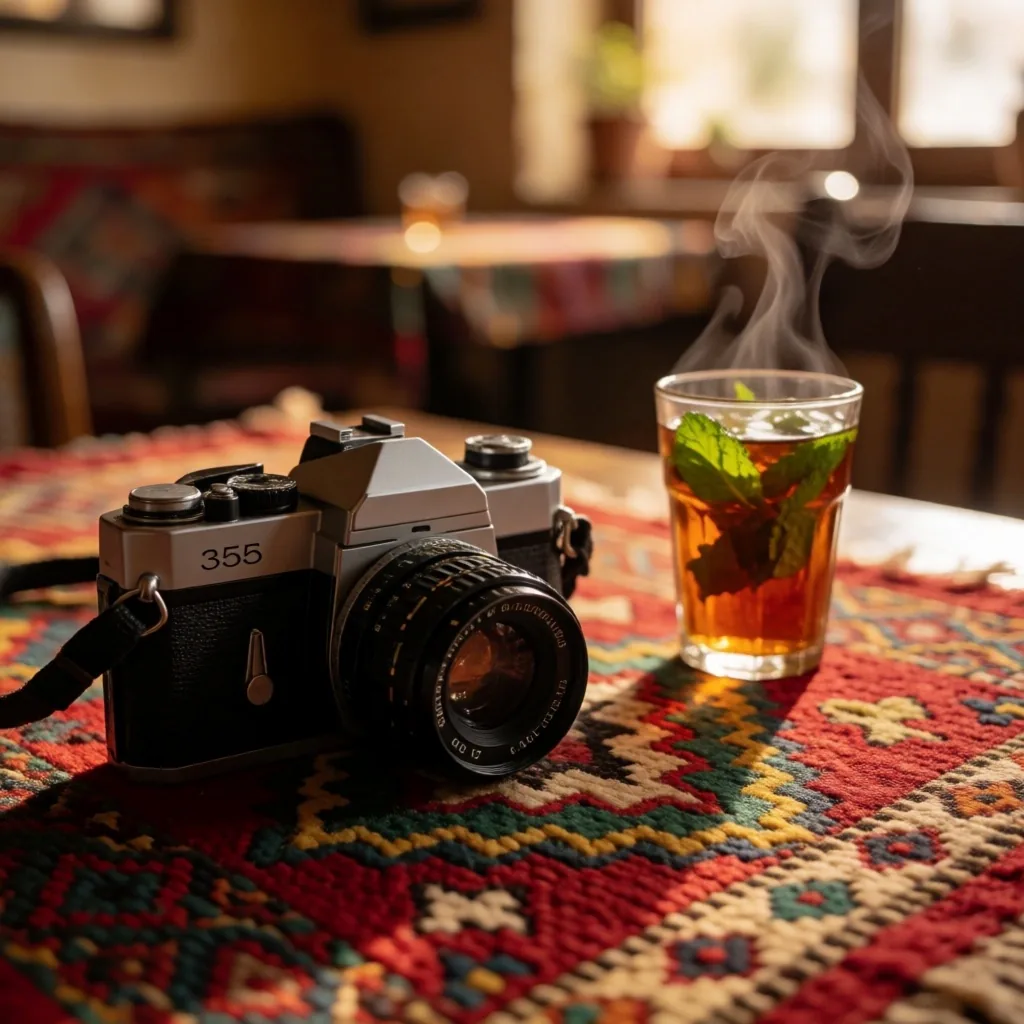
While the landscape is incredibly photogenic, it is vital to ask for permission before taking photos of individuals. In some areas, particularly near sensitive infrastructure or official buildings, photography may be restricted. Always look for signage or ask a local guide if you are unsure.
Respecting the privacy of the local people ensures that you are seen as a respectful visitor rather than an intrusive observer. This simple act of courtesy helps maintain the dignity of the community.
A raised camera and a questioning look is often enough — many people will nod or gently decline. Either response deserves your respect, and both keep the relationship between visitor and host intact.
Health and Personal Well-being
Staying healthy is the foundation of a good trip. We advise sticking to bottled or treated water and being cautious with raw foods in certain settings. The heat can lead to exhaustion quickly, so taking regular breaks in the shade and staying hydrated is mandatory.
If you do feel unwell, local pharmacies are generally well-stocked and the staff are often very helpful with minor ailments. Being proactive about your health allows you to enjoy the journey without unnecessary interruptions.

Bottled or Treated
Use sealed bottled water for drinking and brushing teeth. Avoid tap water in regions where treatment standards vary.
Shade and Rest
Schedule outdoor activity for early morning or late afternoon. Carry water and take shade breaks before fatigue sets in.
Cooked Over Raw
Prefer thoroughly cooked meals in unfamiliar settings. Peelable fruit is a safe fresh option when you want something light.
Gender Dynamics and Solo Travel
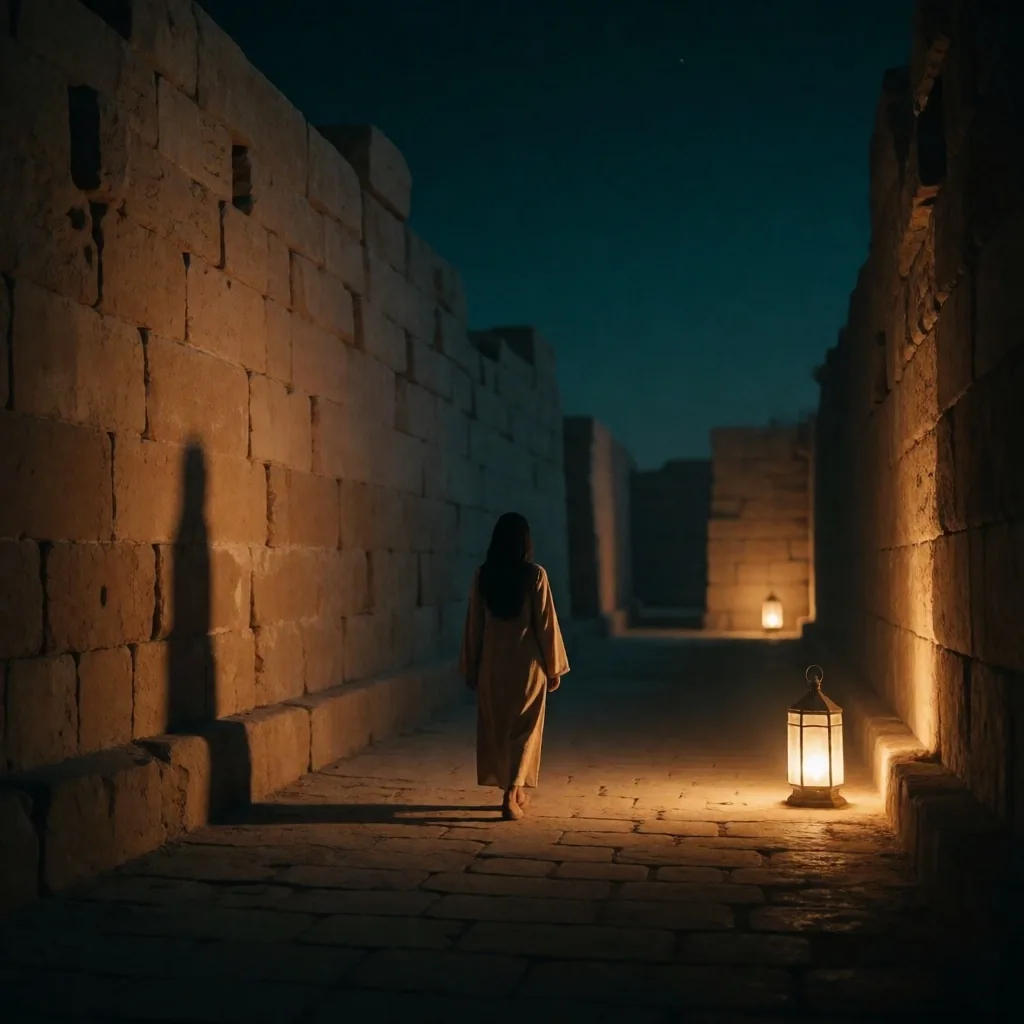
Travelling as a solo female or in a small group requires an extra layer of awareness regarding local gender norms. While the majority of interactions will be respectful and helpful, it is wise to stay in well-populated areas after dark and to use reputable transit options.
Engaging with local women can provide a different perspective on the culture and often leads to the most genuine experiences of hospitality. Confidence and a clear sense of direction are your best tools for navigating the social landscape safely.
- — Choose well-lit, populated streets after dark and walk with purpose.
- — Use established transit services rather than informal arrangements.
- — A light scarf offers both sun protection and a quick modesty adjustment.
- — Conversations with local women often open doors to the warmest hospitality.
Emergency Contacts and Local Assistance
Before setting out, it is helpful to have a list of local emergency numbers and the location of your national representative office. While you likely won't need them, having this information at hand is part of responsible planning.
Local people are often incredibly helpful in times of trouble, so do not hesitate to ask for assistance if you find yourself lost or in need of help. The community spirit is strong, and a guest in need is rarely ignored.
Your national representative office address, local emergency services numbers, and the contact details for your accommodation.
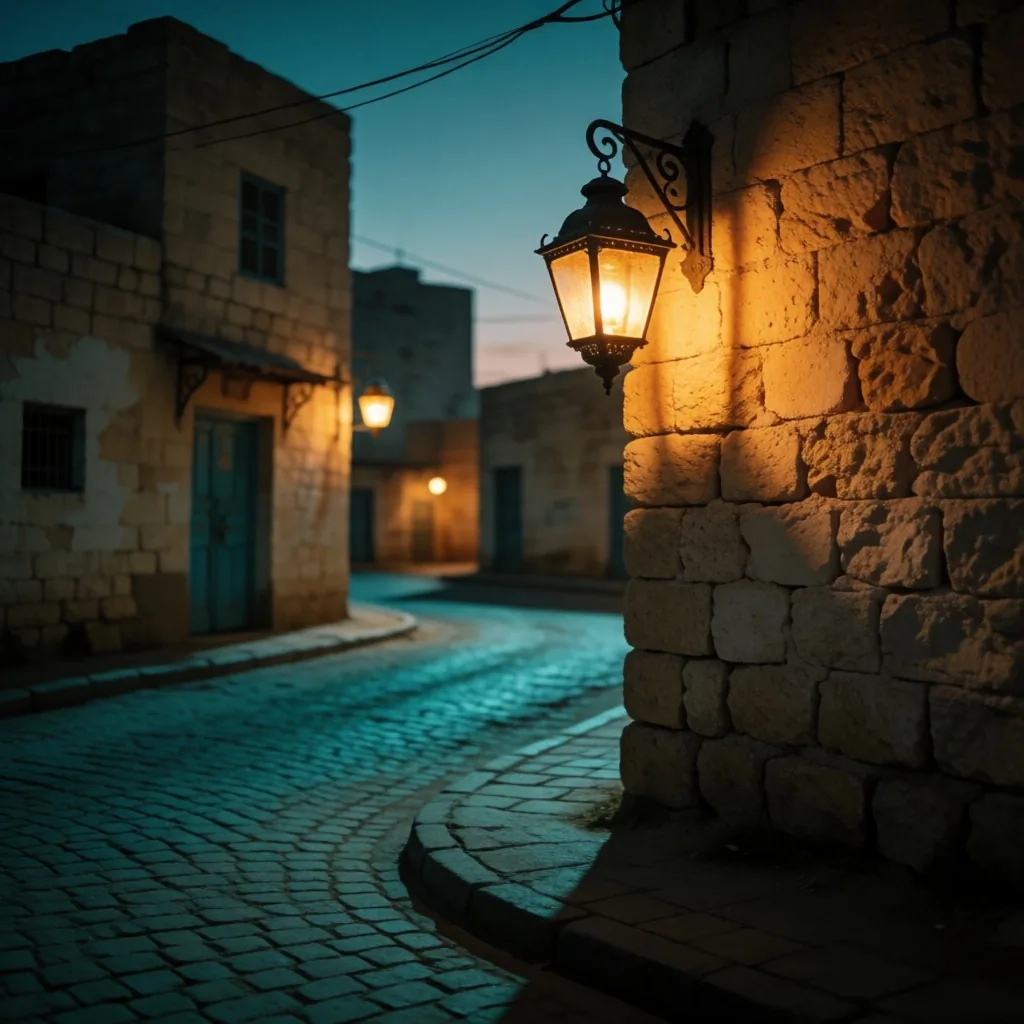
Step into a well-lit shop or café and ask the staff. Locals are accustomed to assisting visitors and will usually point you in the right direction.
Our team at Egyptian Travel Insights can also help you prepare. Reach us at [email protected] or +201030303793.
These egypt travelling guides continue across the rest of the site.
Educational and informative travel guides for the traveller into Egypt. No commercial triggers — just grounded, practical perspective on local customs and safety.
1 gad el hak street, Sheraton Heliopolis
Cairo Governorate, Egypt
+201030303793